
 Loading...
Humoron feels like one of those old corners of the internet that never really changed — not visually, not structurally, not even in attitude.
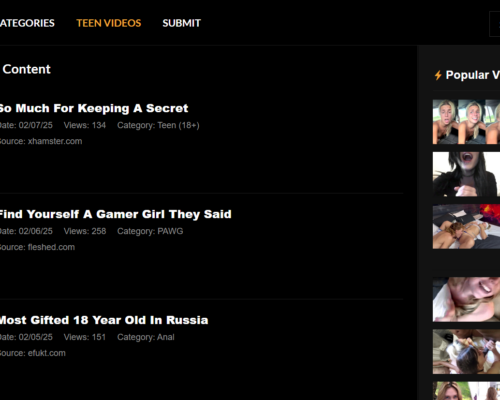
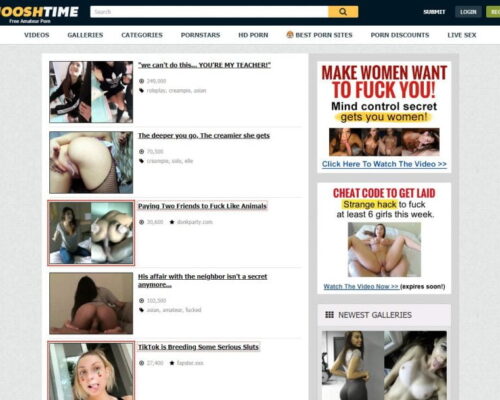
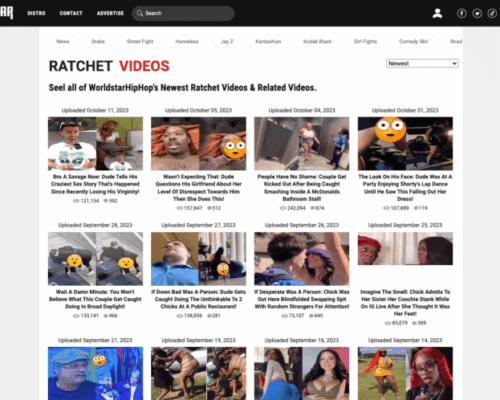
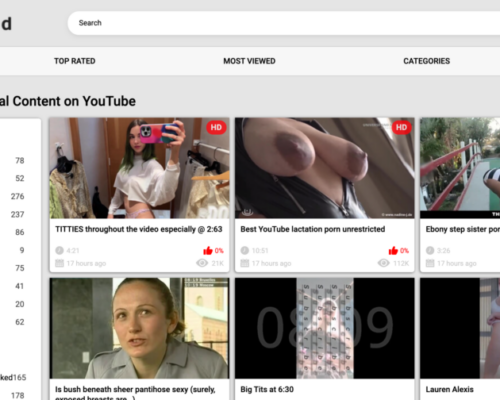
You open the site and immediately notice how dated everything looks. Dark background, narrow content column, small thumbnails packed together. It doesn’t try to look modern and honestly doesn’t seem interested in doing so. The design feels frozen somewhere years back, almost like it exists purely to display links rather than create an experience.
Navigation is simple but rough. A few main tabs sit at the top — sections labeled with broad themes — and a search bar sits underneath. There’s no real onboarding, no account system pushed in your face, no attempt to guide new visitors. You arrive, you scroll, you click.
Most thumbnails follow the same pattern: title, upload date, category, tags. It gives just enough context to decide whether to open something, but not much more. After a few clicks, the structure becomes clear. Many items don’t actually play on the site itself. Instead, they redirect elsewhere, which makes Humoron feel less like a platform and more like a hub pointing outward.
Because of that, browsing has a slightly fragmented rhythm. You move through the grid, find something, click, land on another site. Then repeat. Some people don’t mind that — others will notice it quickly.
Updates don’t appear especially consistent. New material shows up, but not in a steady flow that suggests active curation. The front page can feel static for stretches, which adds to the impression that the site runs more as an archive of links than a living library.
What defines Humoron most is its focus on unusual or extreme material rather than mainstream studio content. That focus shapes the tone of the entire site. It’s not trying to appeal broadly. It sits firmly in a niche and doesn’t soften that identity.
Overall, Humoron comes across as functional but rough. Outdated design, external redirects, uneven updates. For some users that simplicity is enough. For others, it will feel like a relic — something that exists mainly as a doorway to other places rather than a destination on its own.