
 Loading...
The internet quietly reveals more about us than most people realize. Every device online carries an IP address, and that simple string of numbers tells websites where a connection is coming from. Usually it happens in the background without anyone thinking twice. A VPN changes that picture. Instead of exposing your own address, your connection moves through another network, making it much harder to trace activity back to you.
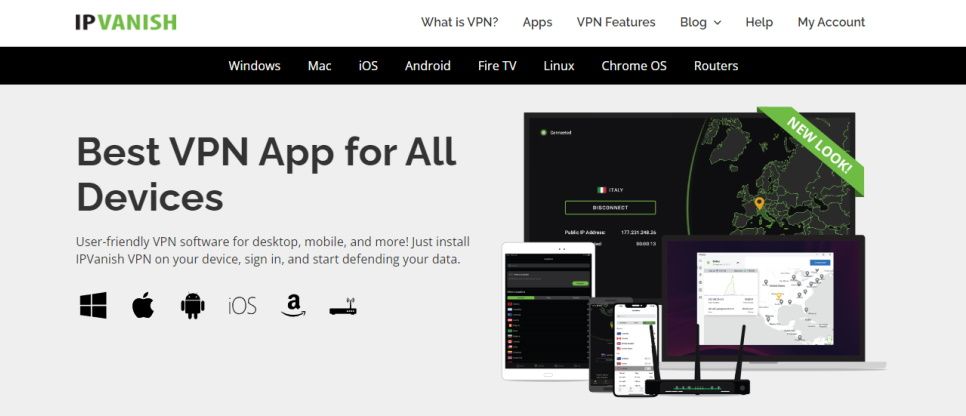
IPVanish is built around that exact idea. The service encrypts internet traffic and replaces the IP assigned by your internet provider with one from its own system of servers. From the outside, websites only see the VPN address, not the one tied directly to your home connection. For anyone concerned about privacy or simply wanting a little distance between themselves and the wider internet, that shift alone can make a difference.
The platform runs a fairly large network spread across more than ninety locations worldwide. Behind those locations sit thousands of servers and a large pool of IP addresses that users can connect through. A wide infrastructure like this usually helps keep connections stable and reduces the chance of websites identifying VPN traffic. IPVanish also includes a feature designed to disguise encrypted connections so they blend in with normal traffic.
Speed is another thing people worry about with VPNs. Routing traffic through another server can slow things down if the network isn’t strong enough. IPVanish advertises optimized streaming speeds and infrastructure capable of handling heavy traffic, including high-resolution video. In practice, that means watching online content without the constant buffering that weaker VPN services sometimes struggle with.
Compatibility is broad as well. Dedicated applications exist for common operating systems, and the service can also run through routers or browser configurations. That flexibility allows multiple devices to stay protected at once, whether it’s a laptop, phone, or a television connected to the internet.
Pricing sits in the typical range for VPN services. The monthly subscription costs around thirteen dollars, while longer plans significantly reduce that price when averaged over time. Some extended subscriptions also include a thirty-day money-back window, giving users time to test the service without much commitment.
One practical advantage is the lack of limits on device connections or bandwidth. Accounts can run on numerous devices at the same time, which works well in households filled with phones, computers, and streaming gadgets. Many competing VPN providers impose restrictions here, but IPVanish leaves it open.
The company also states that it follows a no-logs approach, meaning browsing activity isn’t recorded. A built-in kill switch protects connections as well, cutting off internet access automatically if the VPN drops so the real IP address never becomes visible. Combined with its threat-filtering system that blocks trackers and suspicious domains, the service adds another layer of protection for everyday browsing online.